What you will find on this page: LATEST NEWS; Fossil fuel emissions have stalled; Analysis: Record surge of clean energy in 2024 halts China’s CO2 rise; does the world need hydrogen?; Mapped: global coal trade; Complexity of energy systems (maps); Mapped: Germany’s energy sources (interactive access); Power to the people (video); Unburnable Carbon (report); Stern Commission Review; Garnaut reports; live generation data; fossil fuel subsidies; divestment; how to run a divestment campaign guide; local council divestment guide; US coal plant retirement; oil conventional & unconventional; CSG battle in Australia (videos); CSG battle in Victoria; leasing maps for Victoria; coal projects Victoria
Huge task to decarbonise
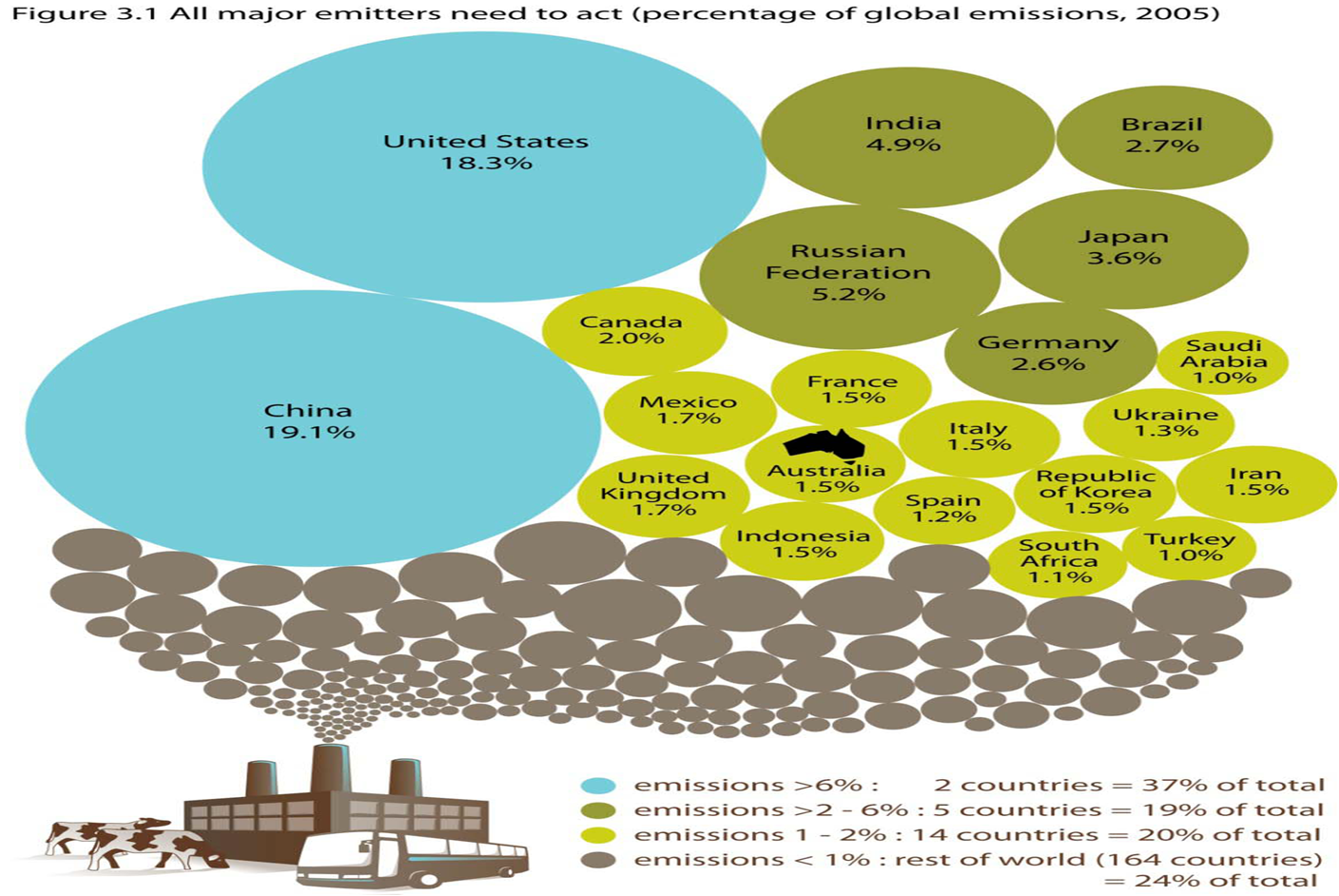
Source: Australian Delegation presentation to international forum held in Bonn in May 2012
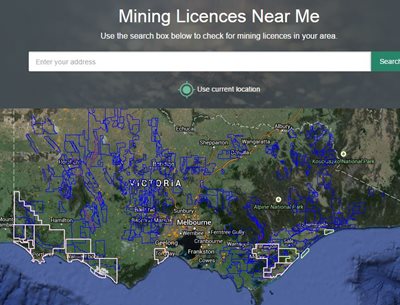
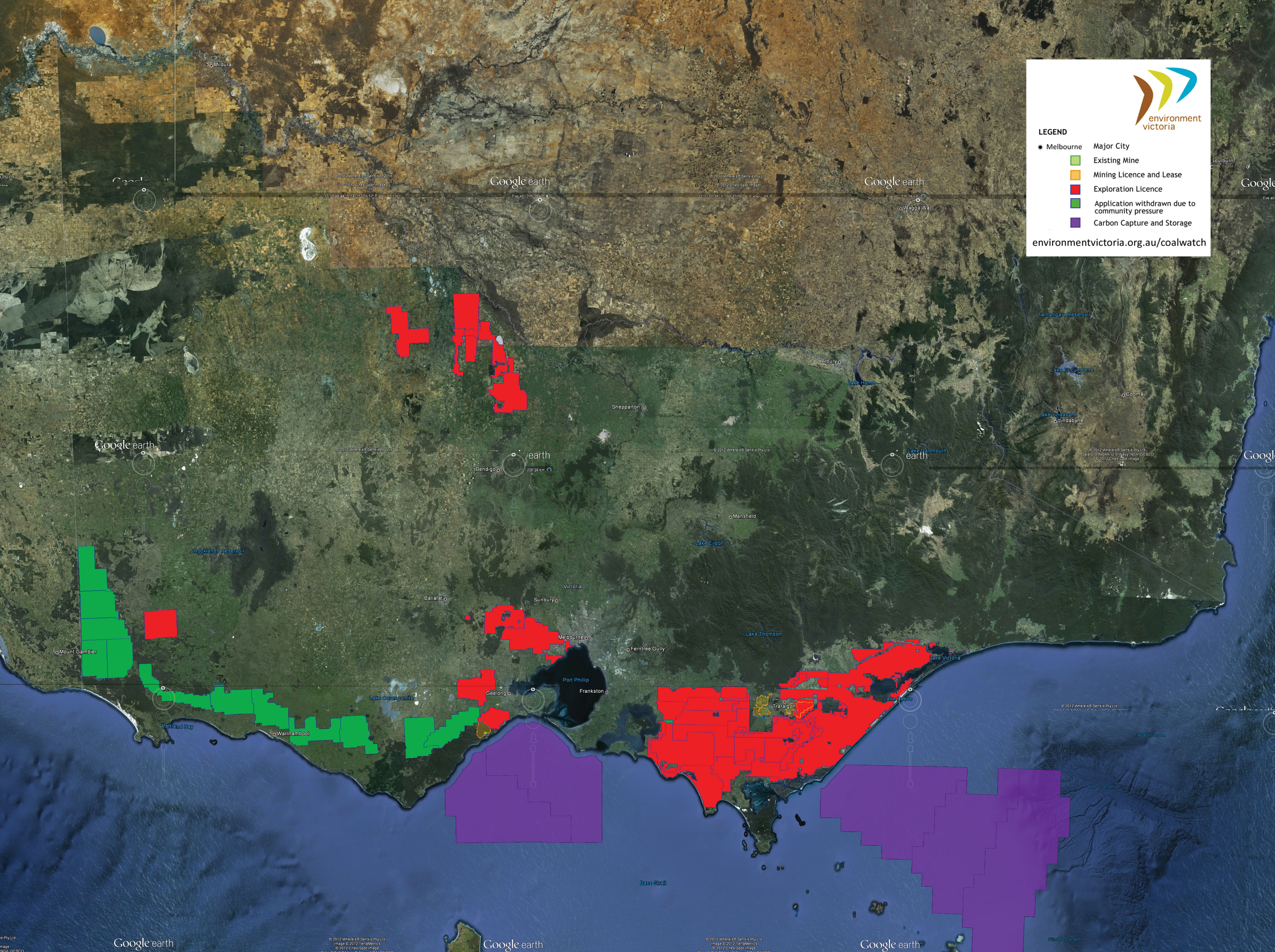
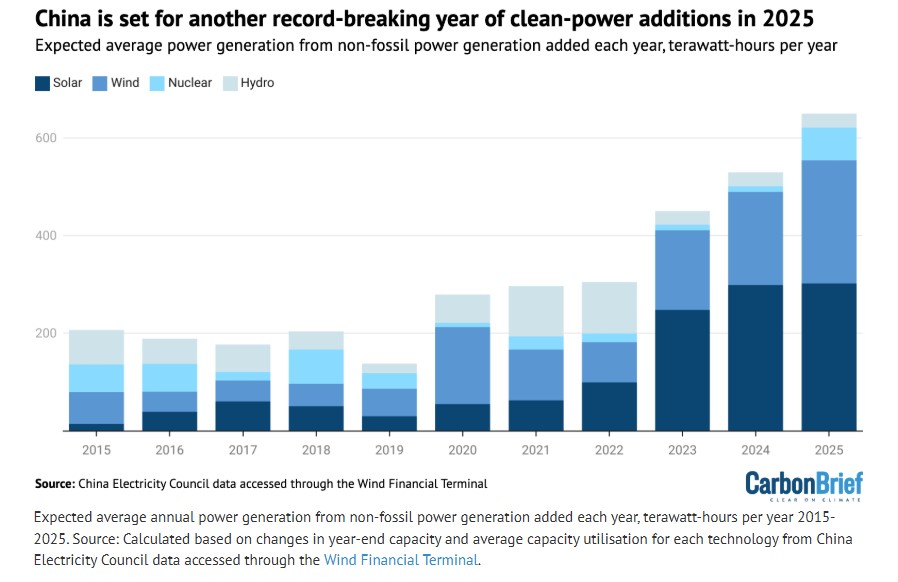
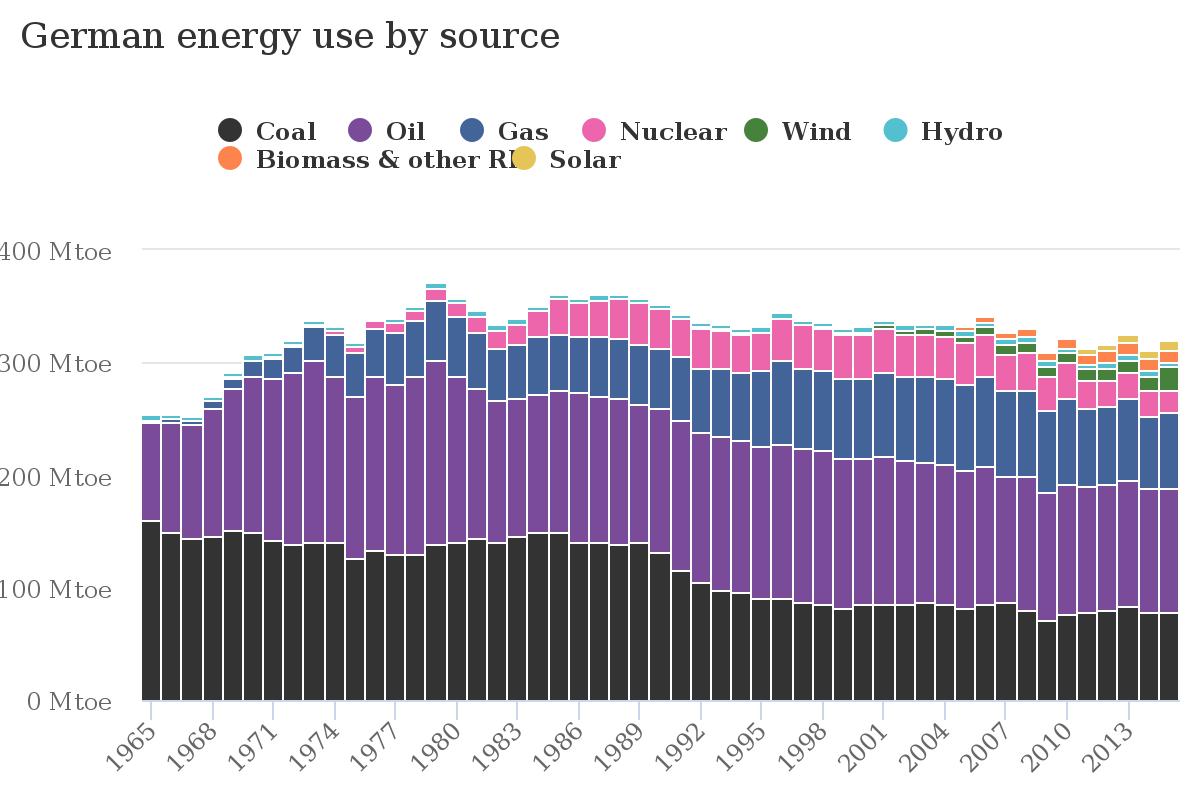
Latest News 22 July 2015, The Guardian, Victorian farmers and green groups firm on CSG fracking ban as inquiry fires up. As parliamentary inquiry into ramifications of drilling gets under way, farmers fear state’s moratorium on coal seam gas may be lifted. Farmers and environmental groups have lined up against the oil and gas industry to oppose fracking of unconventional gas in Victoria, as a parliamentary inquiry into its potential benefits gets under way. A parliamentary committee began hearings in Melbourne on Wednesday morning into the economic, social and environmental ramifications of allowing Victoria to be opened up for gas drilling. Victoria has banned unconventional gas exploration, which includes coal seam gas and tight gas, since 2012. Since then, the expansion of coal seam gas in New South Wales and Queensland has sparked fierce protests from green groups and some local residents. In January, Victoria’s Labor government extended the ban until the committee handed down its findings. A review conducted by the former Coalition government recommended that regulations around fracking for gas be relaxed. Advocates for gas drilling claim Victoria would benefit financially and households would enjoy lower gas prices if supply were increased. Read More here 21 July 2015, The Conversation, One year on from the carbon price experiment, the rebound in emissions is clear: Just over a year ago, Australia concluded a unique public policy experiment. For the preceding two years and two weeks, it had put a price on a range of greenhouse gas emitting activities, most significantly power generation. Now, 12 months since the price was removed, is a good time to assess the results of the experiment. The immediate effect of the carbon price was to increase the costs faced by most electricity generators, by an amount that varied between individual power stations depending on that station’s emissions intensity (the emissions per unit of electricity). These costs were then passed on in higher prices to consumers. Simple economics suggests that two effects should have followed. First, less emissions-intensive generators should have been able to increase their market share, resulting in an overall reduction in the average emissions intensity of electricity. Second, higher prices should have led consumers to reduce their consumption, cutting the total demand for electricity. When the price was removed, both of these effects should have been reversed. Let’s look at what happened in the National Electricity Market (NEM), which is the wholesale electricity market in every state and territory except Western Australia and the Northern Territory. My analysis, using detailed NEM operational data from the Australian Energy Market Operator (AEMO) finds that emissions intensity, which was increasing until shortly before June 2012, fell continuously (see graph below) for most of the two years to June 2014. Since then, it has increased consistently. All these changes were caused by changes in the market shares the different types of generation, just as expected. Read More here 18 July 2015, The Conversation, Australia’s ‘Carnival of Coal’ – can you feel the love? As the latest State of the Climate report reaffirms 2014 to be “the hottest on record”, the NSW Liberal Party is pressing ahead with plans for a “Carnival of Coal” in August. The party’s upper house whip, Peter Phelps, has appealed to members to download a sticker for MP office doors in support of the upcoming carbon love-in. It says: I loved carbon before it was coal. The Liberal paleo-love for coal, which Tony Abbott has declared “good for humanity”, is at least a point of differentiation with Labor. Labor does not promote such slogans at all – even if, in Victoria, the Andrews Labor government is still issuing coal exploration licences. Both parties are capable of romancing the coal industry. But Liberal parties around the country have had much more success in convincing voters that either coal is more important than climate, or have decided that – with a population drip-fed on attention-deficit-consumerism and its reality television advertorials – their connection can be comfortably sublimated. Whatever its form, the love for coal in Australia is going to end badly, like all relationships based on fantasy. To slightly misquote a 19th-century philosopher: the demand to give up the illusion that coal is good for humanity is the demand to give up a condition which needs such an illusion. Read More here 17 July 2015, RenewEconomy, States reject Coalition and cross-bench crack-down on wind farms: State and territory environment ministers this week unanimously rejected a push by the Federal Coalition government and cross-bench Senators to regulate noise from wind turbines in the same way as pollution from coal fired generators, and to introduce uniform planning rules for wind farms.The proposals were presented by Federal environment minister Greg Hunt at a meeting of state and territory ministers on Wednesday. They part of a deal struck between the Coalition and the cross-bench Senators who oppose wind farms, and want tighter rules on their development. The cross-benchers wanted wind farm “noise” to be treated in the same way as the emission of particulates from coal mines and power plants, smoke stacks from factories and vehicle exhausts, and included in the suite of National Environment Protection Measures. The states rejected this unanimously, along with a proposal presented by Hunt for wind farm guidelines to become national-based rather than state-based, another recommendation from the draft release of the Senate inquiry into wind farms chaired by anti-wind Senator John Madigan. All the state insisted that planning was a matter for the states, and were not interested. Read More here 17 August 2016, Renew Economy, First act of Coalition’s “innovation” government: strip funds from ARENA. Malcolm Turnbull’s Coalition government has taken a new line of attack against the Australian Renewable Energy Agency, and sought to wedge Labor on the issue by adopting the Opposition’s own pre-election policy platform on the future of the agency. As part of its $6.5 billion “omnibus” budget repair package to be put to parliament in its first act of the new government, the Coalition proposes to change tack: instead of stripping all of the remaining $1.3 billion legislated funds in ARENA’s budget, it now proposes to remove $1.023 billion in funds – as proposed by Labor before the election. Labor’s threat to strip ARENA of $1 billion in funds was made in an apparent fit of pique earlier this year over the failure of NGOs to criticise the Turnbull government when it announced the creation of the Clean Energy Innovation Fund, using monies already allocated to the Clean Energy Finance Corp. Labor argued that instead of applauding a move by the Turnbull government to “re-brand” previously allocated monies, it should have been critical of the move to de-fund ARENA. So it decided to abandon its own support of the key agency. While Labor later said it was prepared to review that decision, party sources admitted to the Australian Financial Review on Wednesday that it remained a “grey area for us” because of their pre-election policy. On ABC Radio, treasury spokesman Chris Bowen refused to commit Labor to protecting ARENA. Stripping ARENA of $1 billion of funding would be a huge blow for the emerging technologies in Australia, which usually need grants to test out new business models and applications, as witnessed by ARENA’s support for two key battery storage projects in South Australia, and its support for large scale solar. Read More here 11 August 2016, Renew Economy, Frydenberg to push ahead with repeal of ARENA grant funding. New environment and energy minister Josh Frydenberg says the Coalition government intends to go ahead with its plan to strip $1.3 billion of funds from the Australian Renewable Energy Agency and end its grant-funding mechanisms, and says he expects Labor to support it. In an interview with RenewEconomy on Thursday, Frydenberg also canvassed other policy areas under his new combined portfolio. Among the highlights: He repeated his pledge that the current renewable energy target is “set in stone”, despite a big push from some in the fossil fuel industry to have the target weakened further. He will seek “co-ordination” from the states on their climate and energy policies, although he did not say whether he would be insisting that individual states abandon their own targets. (Three states – South Australia, Victoria and Queensland – and one territory, the ACT, have renewable targets that are more ambitious and longer lasting than the federal target, which is equivalent to a 23.5 per cent target by 2020). In a response that will disappoint many in the climate policy arena, Frydenberg insisted that next year’s climate policy review will be a “sit-rep” – a situation report that will assess the ability of current policies to meet existing targets – and will not look at longer-dated targets (such a zero emissions by 2050), or as an opportunity to set more ambitious targets. He says the price of gas is the key component of future electricity prices, and he will be bringing “many” of the recommendations by the ACCC and the AEMC to the COAG energy ministers meeting next week. He said he was monitoring the progress of solar thermal with storage plants, such as the new $1 billion plant in Nevada, although he did not mention any specific policy or initiative to bring the technology to Australia. The tone of the interview – which you can read in full here – was one of caution. Frydenberg shows no sign of deviating from Coalition policies, even if he does recognise that a lot of effort needs to be thrown at climate and clean energy policies to avoid an economic and political train crash. Read More here 2 August 2016, Renew Economy, South Australia takes on networks over soaring grid charges. The South Australia government has decided to take on the monopoly electricity network operator in the state as it continues its campaign against the market dominance of the powerful energy oligopoly, and their ability to pass on huge price increases to consumers that are often blamed on wind and solar. Network costs in South Australia – like most of the country – account for more than half the average household bill. Consumers were hoping to get some relief after the Australian Energy Regulator knocked back some of the planned spending by SA Power Networks, but its ruling is now being challenged in court. Energy minister Tom Koutsantonis says he will send a senior public servant to appear before the Australian Competition Tribunal this week, accusing SAPN of “cherry picking” individual spending decisions from the AER in the hope of boosting its overall spending allowance. It’s a crucial intervention by the state government, and comes amid huge public controversy over its ambitious renewable energy plans, and the already high penetration of wind and solar that could reach 50 per cent by the end of the year. Recent high wholesale electricity prices have been blamed by many in the Coalition, and the Murdoch media, on the state’s reliance on renewables, even though most independent analysts and market regulators blame soaring gas prices, grid constraints, and other factors. South Australia has long had the highest electricity prices in the country, a point underlined by federal energy minister Josh Frydenberg last week, who also pointed out that the recent spikes in wholesale prices used to be a regular event even before the build out of large wind farms and rooftop solar. Read More here 29 July 2016, Climate News Network, UK’s nuclear ‘white elephant’ stumbles. Celebrations by the nuclear industry planned for today have been cancelled following the shock decision by Britain to put the world’s largest electricity project on hold. The British government astonished the nuclear industry late last night by refusing to go ahead with plans to build the world’s largest nuclear plant until it has reviewed every aspect of the project. The decision was announced hours after a bruising meeting of the board of the giant French energy company EDF, at which directors decided by 10 votes to seven to go ahead with the building of two 1,600 megawatt reactors at Hinkley Point in Somerset, southwest England. One director, Gerard Magnin, had already resigned in protest before the meeting, saying the project was “very risky”. All six union members, who are worker directors, said they were going to vote against because they believed that any new investment should be directed at making ageing French reactors safer. So certain were EDF that a signing ceremony with the British government would take place today to provide the company with 35 years of subsidies for their electricity that they had hired marquees, invited the world’s press and laid in stocks of champagne to toast the agreement. Myriad voices. But EDF chief executive Vincent de Rivaz, who had pushed for the deal, cancelled a trip to Britain on hearing the government announcement. Britain’s new prime minister, Theresa May, who had never publicly endorsed the project like her predecessor David Cameron, has clearly heeded the myriad voices outside the nuclear industry that say this is a bad deal for British consumers. Read more here 7 April 2020, The Guardian, Great Barrier Reef’s third mass bleaching in five years the most widespread yet. Government’s chief marine scientist says he fears people will lose hope for the future of the reef but it is a clear signal for action. The government’s top Great Barrier Reef scientist says a third mass bleaching event in five years is a clear signal the marine wonder is “calling for urgent help” on climate change. One quarter of the Great Barrier Reef suffered severe bleaching this summer in the most widespread outbreak ever witnessed, according to analysis of aerial surveys of more than 1,000 individual reefs released on Tuesday. Dr David Wachenfeld, chief scientist at the Great Barrier Reef Marine Park Authority, told Guardian Australia: “My greatest fear is that people will lose hope for the reef. Without hope there’s no action. “People need to see these [bleaching] events not as depressing bits of news that adds to other depressing bits of news. They are clear signals the Great Barrier Reef is calling for urgent help and for us to do everything we can.” Prof Terry Hughes, director of the Centre of Excellence for Coral Reef Studies at James Cook University, surveyed 1,036 reefs from a plane over nine days in late March. The marine park authority also had an observer on the flights. Hughes has released maps showing severe levels of bleaching occurred in 2020 in all three sections of the reef – northern, central and southern – the first time this has happened since mass bleaching was first seen in 1998. Read more here 2 April 2020, Renew Economy: 2020: When the great disruption began. It was always going to come to this. Whether it was a pandemic triggering a shutdown, a climate emergency bursting the carbon bubble, a populist backlash against inequality, wars over water or countless other possible triggers, this moment has long been inevitable. COVID-19 is just like a match thrown on a tinder dry forest floor on a hot windy day and starting a wildfire. The match isn’t the key – it’s where it lands. While of course a pandemic would always be an enormous economic and health challenge, the context in which it lands is the key to our ability to manage it. Thus, we now see our economic system’s inherent instabilities clearly exposed. The house of cards is collapsing. Won’t this all pass? We’ll find a cure, develop a vaccine, boost the economy and then everything will get back to normal. Wrong, very wrong. We are at the beginning of a process with an uncertain end. It could be a major recession, a full-scale depression, or a slide into systemic collapse. Or it could be a turning point – where we recover and build a very different kind of economy, one defined by sustainability and resilience with a focus on improving human well-being. Read more here 1 April 2020, BBC, Coronavirus forces postponement of COP26 meeting in Glasgow. A key climate summit in Glasgow will be delayed until next year due to disruption caused by the coronavirus. The announcement was made in a joint statement from the UK and UN after a “virtual” meeting of officials. Dozens of world leaders were due to attend the COP26 gathering that was set to run in Glasgow from November 9 this year. It is expected that the conference will now take place by the middle of next year. As the virus has spread around the world, there has been a growing expectation in recent weeks that the COP26 talks would be delayed. Around 30,000 delegates, journalists and environmental campaigners were due in Scotland for the meeting. However the changing priorities that coronavirus has forced on governments can be clearly seen in Glasgow’s Scottish Events Campus (SEC) which was due to host the talks. It is now set to become a temporary hospital to house patients affected by Covid-19. The decision to move COP26 was taken by UN officials, including UN climate chief Patricia Espinosa and UK Business Secretary Alok Sharma, who is president-designate of the meeting. “The world is currently facing an unprecedented global challenge and countries are rightly focusing their efforts on saving lives and fighting Covid-19,” Mr Sharma said in a statement. “That is why we have decided to reschedule COP26.” Read more here 21 March 2020, CASSE blog, The Silver Lining of the COVID-Caused Recession is Supra-Economic. COVID-19 has done in a deadly way what steady-state economists would prescribe in a healthy way: putting the brakes on a runaway economy. In fact, the pandemic has slammed on the brakes and jammed the GDP gearstick into reverse. It has ushered us into a recession that will be pronounced and protracted. In a COVID-caused recession, it’s nature at bat, not the Fed. In these dark times, any source of comfort is welcome. Steady-state economists offer one of the only economic comforts to be found, a bona fide silver lining that warrants inspection by the mainstream media, public, and policymakers. There are three qualifiers. First, the silver lining is mostly macroeconomic, not micro. In fact, it is so big-picture we might call it supra-economic as it transcends the standard economic indicators. Second, the comfort it provides will be palpable primarily to younger generations. Third, it may take a paradigm shift to feel the comfort, especially for older readers who’ve spent most of their life in the 20th century, when a burgeoning economy was such a good deal for people and nations. The silver lining begins to appear when we recognize that the $88 trillion GDP ($21 trillion in the USA alone) was so big and bloated, it was causing more harm than good. It had grown into bad-deal territory, in other words. All else equal, that means a reversal—recession, degrowth, declining GDP—is actually a better deal at this stage. While it still sounds incredible to most citizens and policy makers, the logic is irrefutable. Recession is the antidote to the outbreak of GDP “illth,” the term favored by Herman Daly to more clearly contrast with “wealth. Read more here 27 January 2025, Carbon Brief: A record surge of clean energy kept China’s carbon dioxide (CO2) emissions below the previous year’s levels in the last 10 months of 2024. However, the new analysis for Carbon Brief, based on official figures and commercial data, shows the tail end of China’s rebound from zero-Covid in January and February, combined with abnormally high growth in energy demand, stopped CO2 emissions falling in 2024 overall. While China’s CO2 output in 2024 grew by an estimated 0.8% year-on-year, emissions were lower than in the 12 months to February 2024. Other key findings of the analysis include: As ever, the latest analysis shows that policy decisions made in 2025 will strongly affect China’s emissions trajectory in the coming years. In particular, both China’s new commitments under the Paris Agreement and the country’s next five-year plan are being prepared in 2025. Read More Here 3 November 2020, Carbon Brief: Hydrogen gas has long been recognised as an alternative to fossil fuels and a potentially valuable tool for tackling climate change. Now, as nations come forward with net-zero strategies to align with their international climate targets, hydrogen has once again risen up the agenda from Australia and the UK through to Germany and Japan. In the most optimistic outlooks, hydrogen could soon power trucks, planes and ships. It could heat homes, balance electricity grids and help heavy industry to make everything from steel to cement. But doing all these things with hydrogen would require staggering quantities of the fuel, which is only as clean as the methods used to produce it. Moreover, for every potentially transformative application of hydrogen, there are unique challenges that must be overcome. In this in-depth Q&A – which includes a range of infographics, maps and interactive charts, as well as the views of dozens of experts – Carbon Brief examines the big questions around the “hydrogen economy” and looks at the extent to which it could help the world avoid dangerous climate change. Access full article here Fossil fuel emissions have stalled 14 November 2016, The Conversation, Fossil fuel emissions have stalled: Global Carbon Budget 2016. For the third year in a row, global carbon dioxide emissions from fossil fuels and industry have barely grown, while the global economy has continued to grow strongly. This level of decoupling of carbon emissions from global economic growth is unprecedented.Global CO₂ emissions from the combustion of fossil fuels and industry (including cement production) were 36.3 billion tonnes in 2015, the same as in 2014, and are projected to rise by only 0.2% in 2016 to reach 36.4 billion tonnes. This is a remarkable departure from emissions growth rates of 2.3% for the previous decade, and more than 3% during the 2000’s. Read More here Do you want to understand the complexity of energy systems which support our high consumption lifestyles? Most people don’t give too much thought to where their electricity comes from. Flip a switch, and the lights go on. That’s all. The origins of that energy, or how it actually got into our homes, is generally hidden from view. This link will take you to 11 maps which explain energy in America (it is typical enough as an example of a similar lifestyle as Australia – when I find maps for Oz I’ll add them in) e.g. above map showing the coal plants in the US. Source: Vox Explainers Mapped: how Germany generates its electricity – another example Power to the People – Lock the Gate looks back at the wins of 2015 And there’s lots more coming up in 2016. Some of the big priorities coming up next for the “Lock the Gate” movement are: If you want to give “Lock the Gate” your support – go here for more info This new report reveals that the pollution from Australia’s coal resources, particularly the enormous Galilee coal basin, could take us two-thirds of the way to a two degree rise in global temperature. To Read More and download report The 2006 UK government commissioned Stern Commission Review on the Economics of Climate Change is still the best complete appraisal of global climate change economics. The review broke new ground on climate change assessment in a number of ways. It made headlines by concluding that avoiding global climate change catastrophe was almost beyond our grasp. It also found that the costs of ignoring global climate change could be as great as the Great Depression and the two World Wars combined. The review was (still is) in fact a very good assessment of global climate change, which inferred in 2006 that the situation was a global emergency. Read More here The Garnaut Climate Change Review was commissioned by the Commonwealth, state and territory governments in 2007 to conduct an independent study of the impacts of climate change on the Australian economy. Prof. Garnaut presented The Garnaut Climate Change Review: Final Report to the Australian Prime Minister, Premiers and Chief Ministers in September 2008 in which he examined how Australia was likely to be affected by climate change, and suggested policy responses. In November 2010, he was commissioned by the Australian Government to provide an update to the 2008 Review. In particular, he was asked to examine whether significant changes had occurred that would affect the analysis and recommendations from 2008. The final report was presented May 2011. Since then the Professor has regularly participated in the debate of fossil fuel reduction, as per his latest below: To access his reports; interviews; submissions go here 27 May 2015, Renew Economy, Garnaut: Cost of stranded assets already bigger than cost of climate action. This is one carbon budget that Australia has already blown. Economist and climate change advisor Professor Ross Garnaut has delivered a withering critique of Australia’s economic policies and investment patterns, saying the cost of misguided over-investment in the recent mining boom would likely outweigh the cost of climate action over the next few decades. Read More here Live generation of electricity by fuel type Fossil Fuel Subsidies – The Age of entitlement continues 24 June 2014, Renew Economy, Age of entitlement has not ended for fossil fuels: A new report from The Australia Institute exposes the massive scale of state government assistance, totalling $17.6 billion over a six-year period, not including significant Federal government support and subsidies. Queensland taxpayers are providing the greatest assistance by far with a total of $9.5 billion, followed by Western Australia at $6.2 billion. The table shows almost $18 billion dollars has been spent over the past 6 years by state governments, supporting some of Australia’s biggest, most profitable industries, which are sending most of the profits offshore. That’s $18 billion dollars that could have gone to vital public services such as hospitals, schools and emergency services. State governments are usually associated with the provision of essential services like health and education so it will shock taxpayers to learn of the massive scale of government handouts to the minerals and fossil fuel industries. This report shows that Australian taxpayers have been misled about the costs and benefits of this industry, which we can now see are grossly disproportionate. Each state provides millions of dollars’ worth of assistance to the mining industry every year, with the big mining states of Queensland and Western Australia routinely spending over one billion dollars in assistance annually. Read More here – access full report here What is fossil fuel divestment? Local Governments ready to divest Aligning Council Money With Council Values A Guide To Ensuring Council Money Isn’t Funding Climate Change. 350.org Australia – with the help of the incredible team at Earth Hour – has pulled together a simple 3-step guide for local governments interested in divestment. The movement to align council money with council values is constantly growing in Australia. It complements the existing work that councils are doing to shape a safe climate future. It can also help to reshape the funding practices of Australia’s fossil fuel funding banks. The steps are simple. The impact is huge.The guide can also be used by local groups who are interested in supporting their local government to divest as a step-by-step reference point. Access guide here How coal is staying in the ground in the US Sierra Club Beyond Coal Campaign May 2015, Politico, Michael Grunwald: The war on coal is not just political rhetoric, or a paranoid fantasy concocted by rapacious polluters. It’s real and it’s relentless. Over the past five years, it has killed a coal-fired power plant every 10 days. It has quietly transformed the U.S. electric grid and the global climate debate. The industry and its supporters use “war on coal” as shorthand for a ferocious assault by a hostile White House, but the real war on coal is not primarily an Obama war, or even a Washington war. It’s a guerrilla war. The front lines are not at the Environmental Protection Agency or the Supreme Court. If you want to see how the fossil fuel that once powered most of the country is being battered by enemy forces, you have to watch state and local hearings where utility commissions and other obscure governing bodies debate individual coal plants. You probably won’t find much drama. You’ll definitely find lawyers from the Sierra Club’s Beyond Coal campaign, the boots on the ground in the war on coal. Read More here Oil – conventional & unconventional May 2015, Oil change International Report: On the Edge: 1.6 Million Barrels per Day of Proposed Tar Sands Oil on Life Support. The Canadian tar sands is among the most carbon-intensive, highest-cost sources of oil in the world. Even prior to the precipitous drop in global oil prices late last year, three major projects were cancelled in the sector with companies unable to chart a profitable path forward. Since the collapse in global oil prices, the sector has been under pressure to make further cuts, leading to substantial budget cuts, job losses, and a much more bearish outlook on expansion projections in the coming years. Read full report here. For summary of report USA Sierra Club Beyond Oil Campaign Coal Seam Gas battle in Australia Lock the Gate Alliance is a national coalition of people from across Australia, including farmers, traditional custodians, conservationists and urban residents, who are uniting to protect our common heritage – our land, water and communities – from unsafe or inappropriate mining for coal seam gas and other fossil fuels. Read more about the missions and principles of Lock the Gate. Access more Lock the Gate videos here. Access Lock the Gate fact sheets here 2014: Parliament of Victoria Research Paper: Unconventional Gas: Coal Seam Gas, Shale Gas and Tight Gas: This Research Paper provides an introduction and overview of issues relevant to the development of unconventional gas – coal seam, shale and tight gas – in the Australian and specifically Victorian context. At present, the Victorian unconventional gas industry is at a very early stage. It is not yet known whether there is any coal seam gas or shale gas in Victoria and, if there is, whether it would be economically viable to extract it. A moratorium on fracking has been in place in Victoria since August 2012 while more information is gathered on potential environmental risks posed by the industry. The parts of Victoria with the highest potential for unconventional gas are the Gippsland and Otway basins. Notably, tight gas has been located near Seaspray in Gippsland but is not yet being produced. There is a high level of community concern in regard to the potential impact an unconventional gas industry could have on agriculture in the Gippsland and Otway regions. Industry proponents, however, assert that conventional gas resources are declining and Victoria’s unconventional gas resources need to be ascertained and developed. Read More here 28 January 2015, ABC News, Coal seam gas exploration: Victoria’s fracking ban to remain as Parliament probes regulations: A ban on coal seam gas (CSG) exploration will stay in place in Victoria until a parliamentary inquiry hands down its findings, the State Government has promised. There is a moratorium on the controversial mining technique, known as fracking, until the middle of 2015. The Napthine government conducted a review into CSG, headed by former Howard government minister Peter Reith, which recommended regulations around fracking be relaxed. Labor was critical of the review, claiming it failed to consult with farmers, environmental scientists and local communities. Read more here Keep up to date and how you can be involved here Friends of the Earth Melbourne Coal & Gas Free Victoria 20 May 2015, FoE, Inquiry into Unconventional Gas: Check here for details on the Victorian government’s Inquiry into unconventional gas. The public hearings have not yet started, however the Terms of Reference have been released. The state government’s promised Inquiry into Unconventional Gas has now been formally announced, with broad terms of reference (TOR). FoE’s response to the TOR is available here. The Upper House Environment and Planning Committee will manage the Inquiry. You can find the Inquiry website here. The final TOR will be determined by the committee. Significantly, it is a cross party committee. The Chair is a Liberal (David Davis), and there is one National (Melinda Bath), one Green (Samantha Dunn), three from the ALP (Gayle Tierney, Harriet Shing, Shaun Leane), an additional MP from the Liberals (Richard Dalla-Riva), and one MP from the Shooters Party (Daniel Young). Work started by the previous government, into water tables and the community consultation process run by the Primary Agency, will be released as part of the inquiry.The moratorium on unconventional gas exploration will stay in place until the inquiry delivers its findings. The interim report is due in September and the final report by December. There is the possibility that the committee will amend this timeline if they are overwhelmed with submissions or information. Parliament will then need to consider the recommendations of the committee and make a final decision about how to proceed. This is likely to happen when parliament resumes after the summer break, in early 2016. Quit Coal is a Melbourne-based collective that campaigns against the expansion of the coal and unconventional gas industries in Victoria. Quit Coal uses a range of tactics to tackle this problem. We advise the broader Victorian community about plans for new coal and unconventional gas projects, we put pressure on our government to stop investing in these projects, and we help to inform and mobilise Victorian communities so they can campaign on their own behalf. We focus on being strategic, creative, and as much as possible, fun! The above screen shot is of the Victorian State government’s Mining Licences Near Me site. Go to this link to see what is happening in your area Environment Victoria’s campaign CoalWatch is an interactive resource that tracks the coal industry’s expansion plans and helps builds a movement to stop these polluting developments. CoalWatch provides a way for everyday Victorians to keep track of the coal industry’s ambitious expansion plans. To check what tax-payer money has been pledged to brown coal projects and the coal projects industry is spruiking to our politicians. Here’s another map via EV website (go to their website and you should be able to get better detail from Google Maps: Red areas: Exploration licences (EL). These areas are held by companies to undertake exploration activity. A small bond is held by government in case of any damage. If a company wants to progress the project it needs to obtain a mining licence. Exploration Licence applications are marked with an asterix in the Places Index eg. EL4684*. Yellow areas: Mining Licences (MIN). A mining licence is granted with the expectation that mining will occur. A larger bond is paid to government. Green areas: Exploration licences that have been withdrawn or altered due to community concern. Green outline: Existing mines within Mining Licences. Purple areas: Geological Carbon Storage Exploration areas for carbon capture and storage. On-shore areas have been released by the State Government, while off-shore areas have been released by the Federal Government. The Coal Watch wiki tracks current and future Victorian coal projects, whether they are power stations, coal mines, proposals to export coal or some other inventive way of burning more coal. To get the full picture of coal in Victoria visit our wiki page. Get more info and see the full list of Exploration Licences current at 17 August 2012 here August 2015, Institute for Energy Economics & Financial Analysis – powerpoint: Changing Dynamics in the Global Seaborne Thermal Coal Markets and Stranded Asset Risk. Information from one of the slides follows. To view full presentation go here Economic Implications for Australia 83% of Australian coal mines are foreign owned, hence direct leverage of fossil fuels to the ASX is relatively small at 1-2%. However, for Australia the exposure is high, time is needed for transition and the new industry opportunities are significant: 1. Energy Infrastructure: Australia spends $5-10bn pa on electricity / grid sector, much of it a regulated asset base that all ratepayers fund much of it stranded. BNEF estimate of Australia’s renewable energy infrastructure investment for 2015-2020 was cut 30% from A$20bn post RET. Lost opportunities. 2. Direct employment: The ABS shows a fall of ~20k from the 2012 peak of 70K from coal mining across Australia, and cuts are ongoing. Indirect employment material. 3. Terms of trade: BZE estimates the collapse in the pricing of iron ore, coal and LNG cuts A$100bn pa from Australia’s export revenues by 2030, a halving relative to government budget estimates of 2013/14. Coal was 25% of NSW’s total A$ value of exports in 2013/14 (38% of Qld). Australia will be #1 globally in LNG by 2018. 4. The financial sector: is leveraged to mining and associated rail port infrastructure. WICET 80% financed by banks, mostly Australian. Adani’s Abbot Point Port is foreign owned, but A$1.2bn of Australian sourced debt. Insurance firms and infrastructure funds are leveraged to fossil fuels vs little RE infrastructure assets. BBY! 5. Rehabilitation: $18bn of unfunded coal mining rehabilitation across Australia. 6. Economic growth: curtailed as Australia fails to develop low carbon industries. Analysis: Record surge of clean energy in 2024 halts China’s CO2 rise
In-depth Q&A: Does the world need hydrogen to solve climate change?
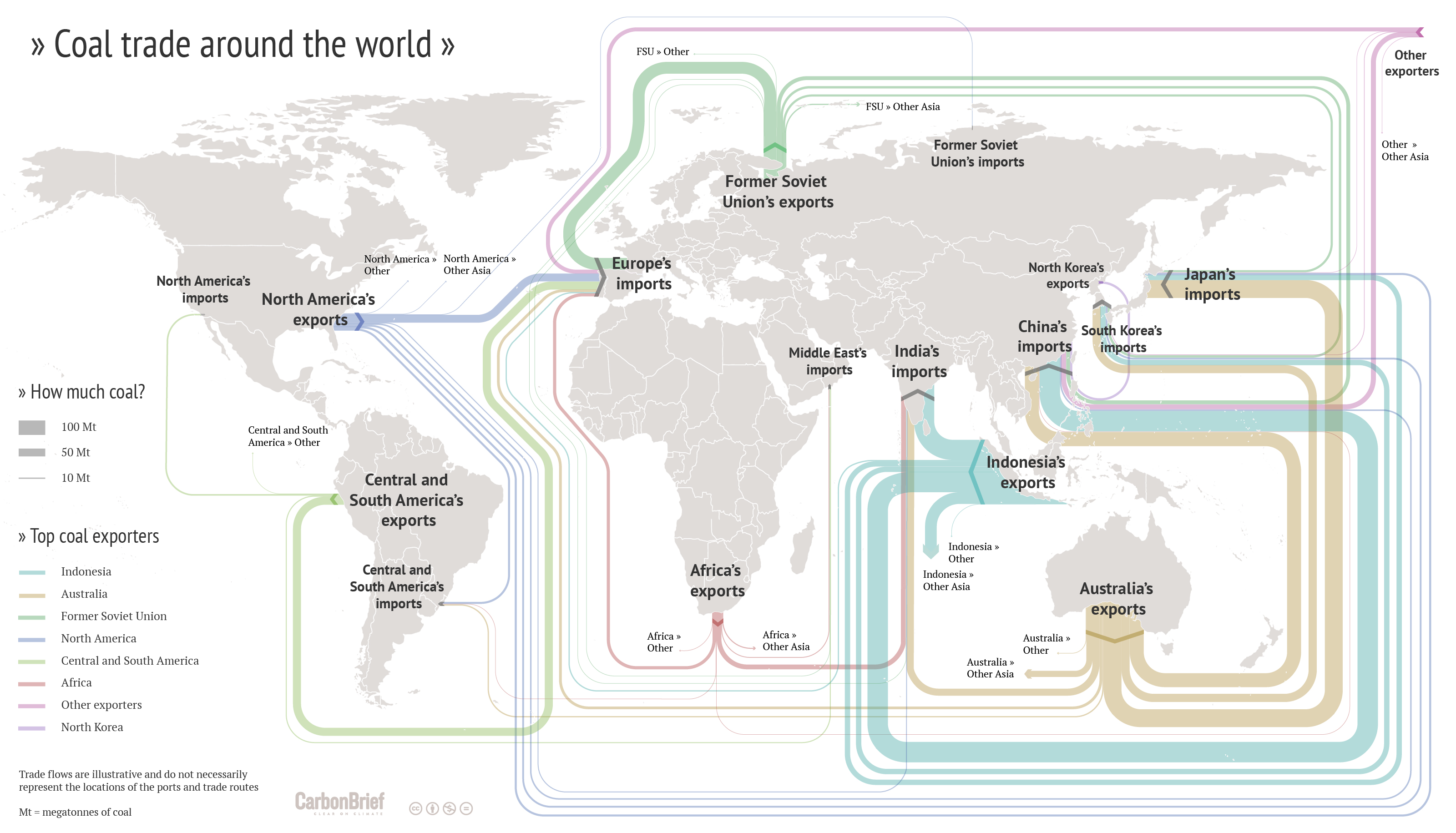 3 May 2016, Carbon Brief, The global coal trade doubled in the decade to 2012 as a coal-fueled boom took hold in Asia. Now, the coal trade seems to have stalled, or even gone into reverse. This change of fortune has devastated the coal mining industry, with Peabody – the world’s largest private coal-mining company – the latest of 50 US firms to file for bankruptcy. It could also be a turning point for the climate, with the continued burning of coal the biggest difference between business-as-usual emissions and avoiding dangerous climate change. Carbon Brief has produced a series of maps and interactive charts to show how the global coal trade is changing. As well as providing a global overview, we focus on a few key countries: Read More here
/cdn0.vox-cdn.com/uploads/chorus_asset/file/3915730/EIA%20coal%20power%20plants.png)
21 April 2015, Climate Council, Will Steffen: Unburnable Carbon: Why we need to leave fossil fuels in the ground.Stern Commission Review
Australia’s Garnaut Review
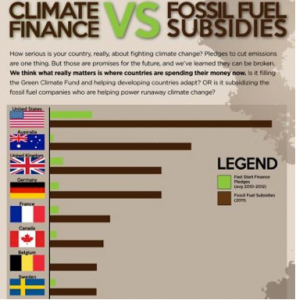 November 2014 – The Fossil Fuel Bailout: G20 subsidies for oil, gas and coal exploration report: Governments across the G20 countries are estimated to be spending $88 billion every year subsidising exploration for fossil fuels. Their exploration subsidies marry bad economics with potentially disastrous consequences for climate change. In effect, governments are propping up the development of oil, gas and coal reserves that cannot be exploited if the world is to avoid dangerous climate change. This report documents, for the first time, the scale and structure of fossil fuel exploration subsidies in the G20 countries. The evidence points to a publicly financed bailout for carbon-intensive companies, and support for uneconomic investments that could drive the planet far beyond the internationally agreed target of limiting global temperature increases to no more than 2ºC. It finds that, by providing subsidies for fossil fuel exploration, the G20 countries are creating a ‘triple-lose’ scenario. They are directing large volumes of finance into high-carbon assets that cannot be exploited without catastrophic climate effects. They are diverting investment from economic low-carbon alternatives such as solar, wind and hydro-power. And they are undermining the prospects for an ambitious climate deal in 2015. Access full report here For the summary on Australia’s susidisation of it’s fossil fuel industry go to page 51 of the report. The report said that the United States and Australia paid the highest level of national subsidies for exploration in the form of direct spending or tax breaks. Overall, G20 country spending on national subsidies was $23 billion. In Australia, this includes exploration funding for Geoscience Australia and tax deductions for mining and petroleum exploration. The report also classifies the Federal Government’s fuel rebate program for resources companies as a subsidy.